 Dialectic
"The unexamined life is not worth living."
— Socrates
Which philosopher already thinks like you?
Three dilemmas. Sixty seconds. A learning path built around how you already see the world — not how philosophy textbooks assume you do.


4,200+ learners found their path this month
No account needed · Three dilemmas, not trivia
Three dilemmas.
One school of thought.
Not a personality test. Not trivia. Three genuine philosophical dilemmas that reveal how you already think — before any philosopher told you what to believe.
Compare All Learning Paths
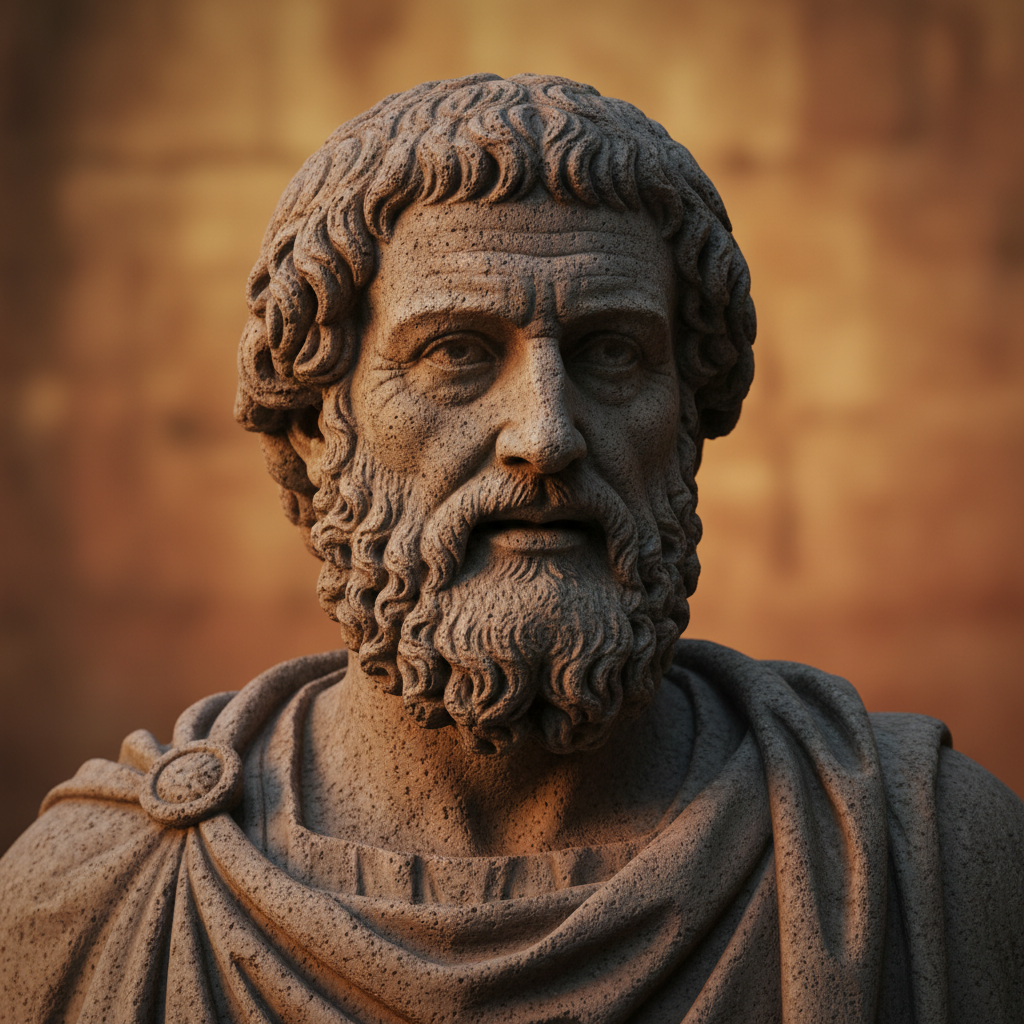
Stoic
Master what you can control

Existentialist
Make meaning from scratch

Pragmatist
Ideas that actually work

Absurdist
Laugh at the void. Keep going.

Phenomenologist
How experience shapes reality
Five Schools. Real Philosophy.
Each track is a genuine intellectual encounter — not a summary, not a listicle. Narrated by philosophers who still teach, still argue, still care.
Stoicism
The Stoics didn't teach you to feel less. They taught you to stop confusing what happens to you with who you are. Marcus Aurelius ran an empire at war and wrote to himself each night about the smallness of ambition and the largeness of duty. Epictetus was a slave who became free — not through law, but through understanding that no one can take your judgment from you. These lessons don't offer comfort. They offer something harder and better: clarity.

Dr. Margaret Holloway
Professor of Ancient Philosophy, Oxford
Existentialism
Sartre said existence precedes essence — which sounds like jargon until you realize it means no one handed you a purpose when you arrived. You are not fulfilling a role; you are inventing one, every day, with every choice. That's not liberating in a spa-retreat sense. It's terrifying and exhilarating in equal measure. Simone de Beauvoir showed us that this freedom isn't abstract — it's lived in the body, in the kitchen, in the office, in the streets. These lessons take the terror seriously, and don't flinch from what it asks of you.

Prof. James Okonkwo
Continental Philosophy, University of Chicago

Pragmatism
William James was a physician before he was a philosopher, and it shows. He had no patience for ideas that didn't land somewhere real. Truth, for James, isn't a property of statements — it's what happens to an idea when you run it through your life and it works. John Dewey took this further: democracy isn't just a political system, it's a way of thinking together. These lessons are for people who have always suspected that philosophy should be useful — and who want to find out how deep that usefulness can go.

Dr. Priya Nair
American Philosophy, Columbia University

Absurdism
Camus watched the world closely and noticed that human beings are creatures who demand meaning from a universe that offers none. He called this the Absurd — not a problem to solve, but a condition to inhabit honestly. You can pretend the silence doesn't exist (bad faith). You can opt out entirely (philosophical suicide). Or you can stay, fully aware, and live anyway — which Camus thought was the only honest and courageous response. These lessons don't promise resolution. They promise something rarer: company in the dark, from someone who looked.

Dr. Amara Diallo
French Philosophy & Literature, NYU

Phenomenology
Husserl had a radical idea: before you argue about what's real, pay attention to what you actually experience. Not the world as physics describes it, but the world as it shows up — to you, in your body, with your history, in this moment. Merleau-Ponty showed that we don't just have bodies; we are bodies, and all our thinking happens through them. Levinas asked what it means to encounter another face — not a concept, but a face. These lessons are slow and demanding and will change how you walk through a room.

Prof. Elena Vasquez
European Philosophy, Boston University

Unlock your learning path.
The first lesson in your track is free. No credit card. No algorithm-optimized drip sequence. Just a working philosopher and an idea that has outlasted every century it passed through.
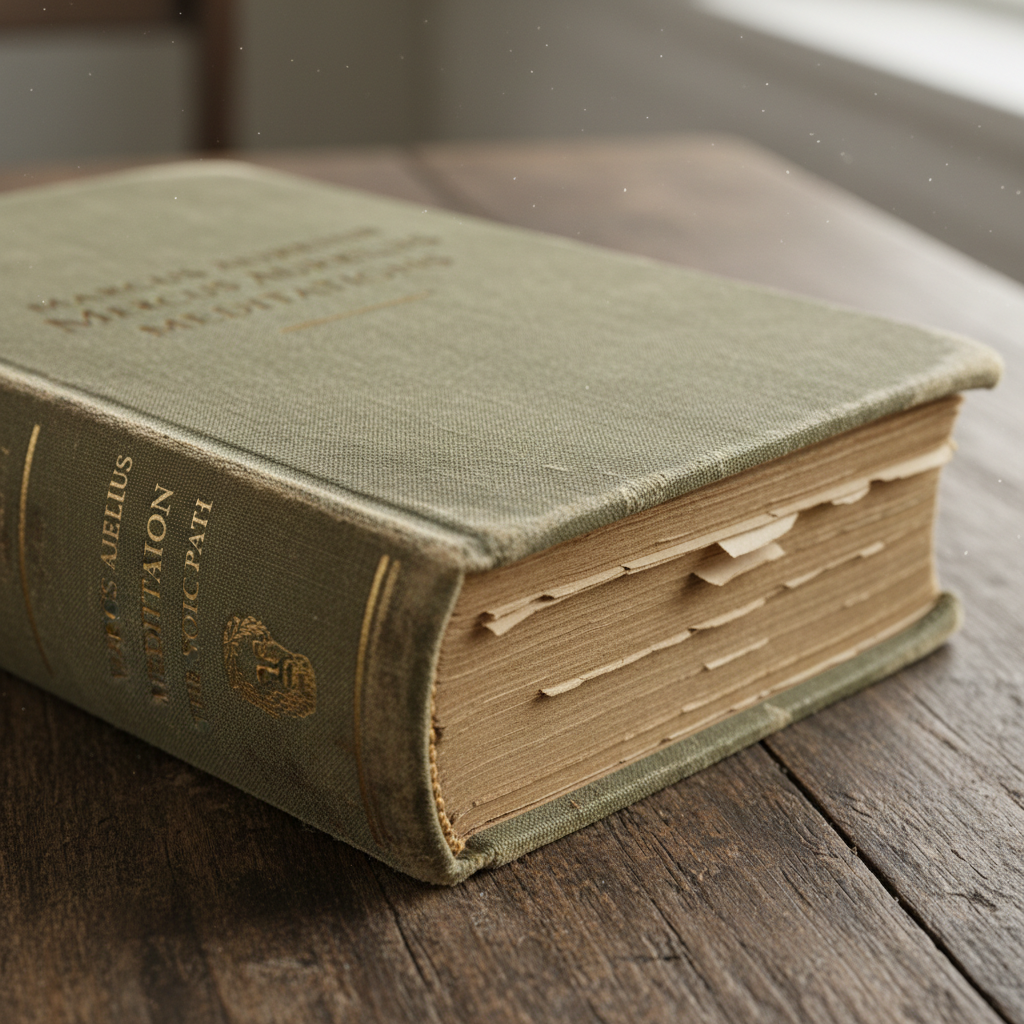
Not ready to commit?
Send me the free Stoicism Starter Lesson.
Epictetus on what you can and cannot control. Nine minutes. No quiz required.